Using a home garage for painting a car is challenging. I want to do this discretely, so I don't want people to know.
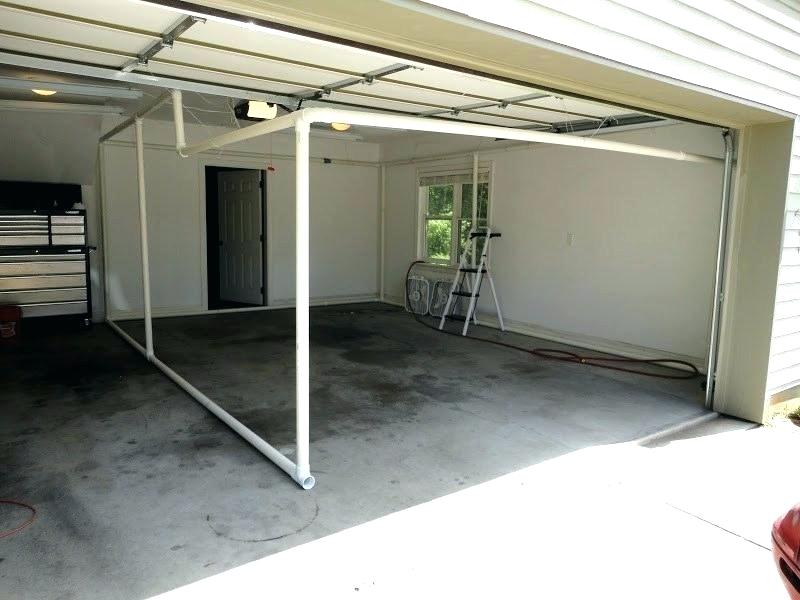
I't looks like PVC piping and clear vinyl plastic duct taped up is the way to do it.
Cardboard door is an interesting idea.
I never thought about it, but ventilation needs to be done. I think the idea here is pretty good. Box fans in the front of the garage and exit fumes through the back.
Multiple 20' fans in the front (with filter behind them) and exit with 1 fan for exhaust.
The idea is having flammable fumes not be ignited. That is always the safety concern.
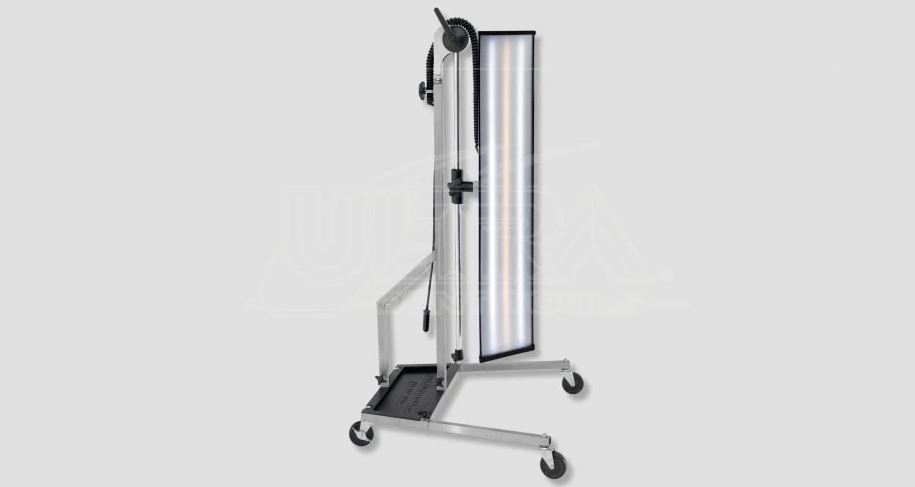
This will lead into lighting. LED lights need to be explosion proof.
The idea of maximizing the garage is something I really want to do. I want overhead storage so the garage doesn't go to waste, but the garage also has to be high enough that it doesn't feel crowded if racks were set up.
While having an air compressor is great in general to run tools. The purpose of this is for painting cars. While I don't plan on painting full time or anything like that, I do want to be able to paint a car in my garage.
Factors to consider
When shopping for an air compressor for painting cars, the three main specs to pay attention to are PSI, CFM and tank size.
Air pressure - Air pressure is measured in PSI (pounds per square inch). Most spray guns today are HVLP (high volume low pressure) spray guns. Therefore, they have a low PSI requirement. If you happen to have a LVLP spray gun, you’ll still need a compressor with a low PSI output. The core difference between the two types of spray guns really boils down to their CFM requirements.
CFM rating - CFM, which stands for “cubic feet per minute,” is one of the most important factors to look at when choosing a air compressor for painting. CFM measures how much air can be delivered at a certain pressure. Since paint guns are used continuously, they require a much higher CFM rating than other types of air tools. Most of our spray guns operate at 90 to 100 CFMs, meaning your compressor should provide anywhere from 4 CFM per unit (for touch-ups) to 19 CFM per unit (for undercoating). It’s important to pay close attention to CFM rating when choosing an air compressor for your spray gun; choosing too low of a CFM may result in paint spattering or uneven paint flow.
Tank size - Painting is a very demanding job that requires consistent power. Because you’ll be spraying paint continuously, you’ll want to make sure your compressor is of a decent size. Look for one that has a capacity of roughly 50 to 60 gallons to maximize your efficiency.